
The Allure of Chance and Risk
The thrill of casino gambling often stems from the inherent allure of chance and risk. Gamblers are frequently drawn to the excitement that accompanies uncertainty, which serves as a significant psychological driver. The prospect of winning substantial sums of money can trigger a rush of adrenaline, making the experience deeply rewarding. This sense of exhilaration can become addictive, as it taps into the brain’s reward system, reinforcing the behavior whenever a win occurs. Consequently, players may seek out the high associated with gambling, often at the expense of their financial stability and personal relationships, leading some to explore options like payid casino for a different experience.
Moreover, the unpredictable nature of gambling appeals to various psychological traits. For some individuals, the perception of control can be immensely satisfying, even if the outcomes are ultimately random. Gamblers may fall victim to the illusion that they can influence the results of games through skill or strategy, leading to compulsive behaviors. This belief creates a cycle where these individuals continuously chase losses, convinced that their next bet will be the one that nets them a significant payout. The emotional investment in this belief can lead to a distorted perception of risk and reward, pushing them deeper into gambling habits.
Furthermore, the social aspect of casino gambling cannot be overlooked. Many individuals enjoy the communal experience of being surrounded by fellow gamblers, sharing in the highs and lows of the game. This social reinforcement enhances the emotional rewards associated with gambling, as the shared excitement within a crowd can magnify the overall thrill. This collective experience increases the likelihood of developing habitual gambling behaviors, making the casino environment particularly stimulating and inviting. The desire to connect with others in this way can further entrench gambling habits, as individuals seek both companionship and excitement in their activities.
The Role of Cognitive Biases
Cognitive biases play a crucial role in how individuals perceive and engage with gambling activities. One common bias is the gambler’s fallacy, where people mistakenly believe that past events can influence future outcomes. For instance, if a slot machine has not paid out in some time, a player might think it is “due” for a win, prompting them to keep playing. This type of faulty reasoning can lead individuals to make irrational decisions, ultimately increasing their gambling frequency and potential losses. It exemplifies how psychological misconceptions can significantly impact gambling behavior.
Another pertinent bias is the availability heuristic, which occurs when individuals assess the probability of an outcome based on how easily examples come to mind. When players hear stories of big winners, they may overestimate their chances of winning themselves. This can create an illusion of winning frequency, leading individuals to overlook the reality that most gamblers will not achieve significant wins over time. By understanding these cognitive biases, one can glean insights into why some individuals develop compulsive gambling habits, as their perception of risk and reward becomes fundamentally skewed.

Moreover, the framing effect is another cognitive bias that notably influences gambling behavior. The manner in which information is presented can significantly affect a person’s decision-making process. For example, if a player sees a game advertised as having a 90% chance of winning rather than a 10% chance of losing, their engagement with the game may increase. This subtle manipulation of information allows individuals to underestimate the risks involved, making it easier for them to justify their gambling habits and potentially leading to excessive play. Recognizing these biases can be crucial in understanding and mitigating the challenges associated with gambling behaviors.
Emotion and Motivation in Gambling
Emotions play a pivotal role in motivating individuals to gamble. The thrill associated with both winning and losing can evoke a complex mix of pleasure, anxiety, and excitement. Many gamblers seek the euphoric feelings that accompany a win, which trigger the release of dopamine in the brain. This biochemical response not only reinforces the behavior but also generates a desire to replicate that feeling, leading to further gambling. However, the emotional rollercoaster can also lead to despair during losses, creating a cycle of highs and lows that is both psychologically and emotionally taxing. The interplay of these emotions can deeply affect one’s gambling decisions.
Additionally, gambling can serve as an emotional escape for many individuals. People may turn to casinos to alleviate stress, depression, or anxiety, using the distraction of gambling as a coping mechanism for life’s challenges. This behavior can be particularly concerning, as it may lead to a reliance on gambling as a way to manage negative emotions, further entrenching their habits. Understanding this emotional connection can be critical to addressing problematic gambling behaviors. Recognizing when gambling serves as an escape can help individuals seek healthier coping strategies.
Moreover, gamblers often exhibit various motivational factors, from the desire for social validation to the pursuit of financial gain. Some individuals may seek the respect and admiration of peers, leading them to gamble to maintain a particular image or status within their social circle. Conversely, others may prioritize the thrill of competition, viewing gambling as a challenge to be conquered. Regardless of the underlying motivation, the emotions tied to gambling significantly shape the patterns and habits of players, creating a complex web of psychological factors that influence their behavior.
Environmental Influences on Gambling Behavior
The physical environment of a casino significantly influences gambling behavior. Casinos are purposefully designed to create an atmosphere that evokes excitement and encourages prolonged engagement. From the bright lights and vivid colors to the sounds of cheers and jingles, these sensory elements are meticulously curated to foster a stimulating experience. This carefully constructed environment can lead to increased arousal and a willingness to gamble more, often blurring the lines of rational decision-making. Such settings can create a sense of urgency and excitement, making it difficult for individuals to walk away.
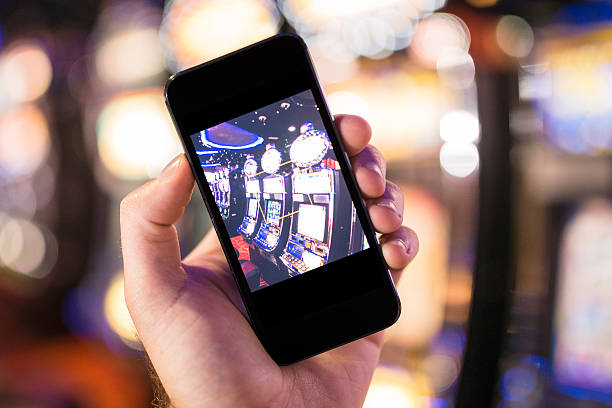
Moreover, the strategic placement of machines and tables plays a crucial role in how gamblers interact with their surroundings. High-traffic areas are often chosen for popular games, maximizing exposure and potential playtime. Additionally, the availability of free drinks or the presence of attractive dealers serves as further incentives for continued gambling. This calculated design underscores the psychological manipulation at play, as patrons may find it increasingly challenging to leave once they’ve begun to play. The environment reinforces the gambling experience, making it more enticing and harder to resist.
Social influence also plays a part in gambling behavior, as individuals may feel compelled to gamble if surrounded by enthusiastic peers. The desire to fit into a social group can lead to increased gambling behaviors, even if an individual might not have intended to play. This peer pressure results in a reinforcing cycle where the enjoyment of social interaction combines with the thrill of gambling. It creates a scenario where individuals may overlook their own limits and engage in unhealthy behaviors, demonstrating how environmental factors can exacerbate existing gambling habits.
Further Insights into Gambling Psychology
Understanding the psychology behind gambling habits can provide important insights for better strategies to address those struggles. Education about cognitive biases and emotional triggers is crucial for both individuals and those in treatment programs. By increasing awareness of these factors, individuals may be better equipped to manage their gambling behaviors responsibly. Encouraging mindfulness and self-reflection can empower players to recognize when their gambling is becoming problematic, allowing them to take proactive steps to mitigate their habits.
Furthermore, various organizations offer resources and support for those struggling with gambling addiction. These resources can provide structured guidance and alternative strategies to cope with the psychological pull of gambling. Initiatives may include therapy, support groups, and educational programs that address the underlying emotional and cognitive factors contributing to gambling behaviors. Tailored interventions can significantly enhance recovery efforts, helping individuals reclaim control over their gambling habits.
In conclusion, the psychology of gambling is a multifaceted area that intertwines emotions, cognitive biases, and environmental influences. Those who engage in gambling activities can benefit from understanding the factors that drive their behavior. By equipping themselves with knowledge, individuals can make more informed decisions and, ultimately, foster healthier relationships with gambling. Recognizing the complexity of these interactions is vital for creating effective prevention and intervention strategies that address the unique psychological aspects of gambling behaviors.